
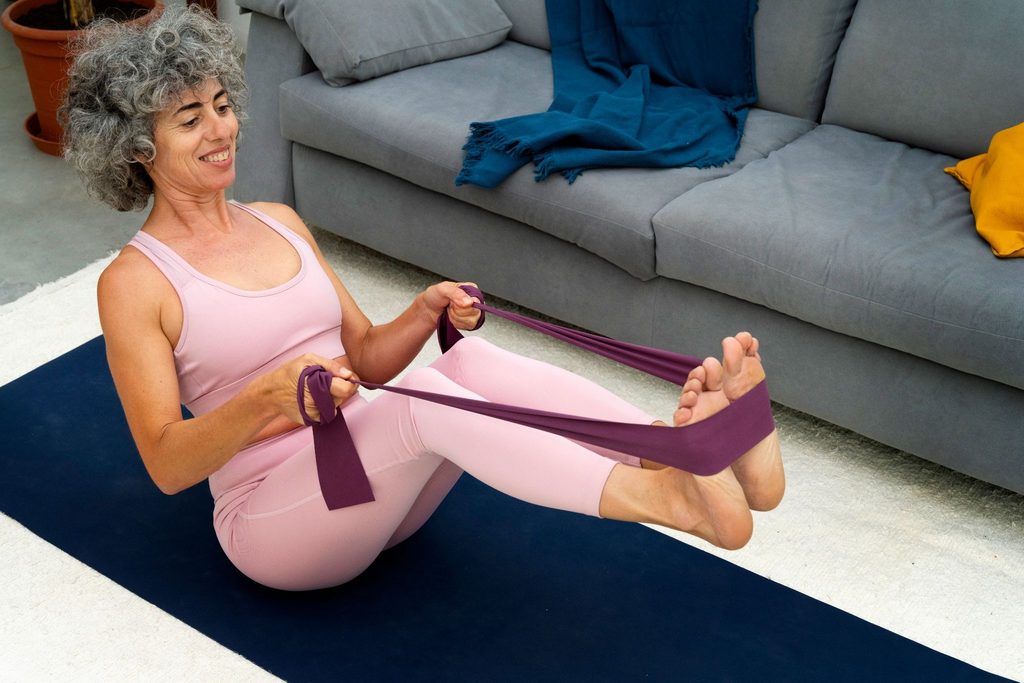
In 2022, Sport Singapore and the Health Promotion Board refreshed the Singapore Physical Activity Guidelines, and the advice for adults aged 65 and above is clear about strength: muscle-strengthening activity on two or more days a week, plus activity that combines strength and balance on at least three. If you haven’t exercised properly in years, those figures can sound like a target for somebody else. They aren’t, but nobody expects you to reach them in your first week either. For most people coming back after a long break, the restart begins smaller, slower and, quite often, sitting down.
Starting Small Is a Strategy, Not a Compromise
After years of inactivity, muscles are usually not the slowest part of the body to catch up. Tendons, ligaments and joint tissues tend to adapt at a more gradual pace, which is why people who launch straight into a full workout often feel fine during the session and stiff, achy or discouraged two days later. A deliberately light start gives those tissues time to adjust while your muscles relearn how to work.
That’s also why the setting matters. A gym for seniors in Singapore is set up differently from a busy commercial gym: the pace is calmer, the equipment is chosen for older bodies, and the coaching assumes you may have an old knee niggle or a blood pressure reading to keep an eye on. In the first few weeks, many sessions last around 30 to 45 minutes and involve fewer exercises than you might expect.
The Case for Beginning in a Chair
One of the most useful tools for a returning exerciser is a sturdy chair and a resistance band. Training while seated takes balance out of the equation for a while, so all your attention can go to the muscles doing the work. Bands are a good partner for this because the tension builds gradually as they stretch, rather than loading the joint suddenly at the start of a movement.
A typical seated starter set might include:
- Seated band rows, pulling towards the ribs to work the upper back
- Seated chest presses with a band anchored behind the chair
- Seated knee extensions to strengthen the front of the thigh
- Band leg presses, pushing one foot out against the band’s resistance
- Sit-to-stands from the chair, as soon as they can be done with control
At a gym for seniors in Singapore, a trainer can change the band colour, the grip or the seat height in seconds, which is a simple way to make an exercise lighter or tougher without changing the movement itself.
What a Coach Notices That You Can’t
It’s hard to judge your own form when you’re concentrating on simply finishing a set. A personal trainer for seniors in Singapore watches for the small things: a shoulder creeping up towards the ear, breath being held during the effort, one leg quietly doing more of the work than the other. They will usually start by asking about your health history, any medication you take and any past injuries, then adjust the plan around those answers.
A personal trainer for seniors in Singapore also helps with the part most people underestimate: knowing when to progress. Moving up too fast causes setbacks, while staying at one level for months gives the body little reason to adapt.
Ready to Stand Up? Four Signs You’re Getting There
Seated work is a starting point, not a permanent home, and a gym for seniors in Singapore will usually move you on to standing exercises once a few things fall into place:
- Rising from a chair without pushing off your thighs or the armrests
- Finishing a full set with steady breathing and no wobble
- Waking up the next day with mild muscle tightness rather than joint pain
- Feeling confident holding a counter for light balance work
Soreness Is Expected, Pain Is Information
Some muscle soreness in the day or two after a session is common, especially early on. It tends to fade on its own and often feels better once you start moving again. Sharp, localised or lingering joint pain is different, and it’s worth flagging to your coach or doctor rather than pushing through.
| Usually normal after a session | Worth stopping and checking |
| Dull ache in the thighs, buttocks or upper arms | Sharp pain inside a joint |
| Stiffness that eases as you move | Swelling, or pain that worsens over several days |
| Feeling pleasantly tired that evening | Dizziness, chest discomfort or unusual breathlessness |
If you have a heart condition, diabetes or another long-term health issue, check with your doctor before starting. In Singapore’s heat, training somewhere air-conditioned and sipping water regularly also helps, since thirst can become a less reliable signal with age.
The Habit Matters More Than Any Single Workout
What tends to make the difference over a year isn’t any single workout but turning up twice a week for months, even when sessions feel modest. A personal trainer for seniors in Singapore gives that habit a fixed time and a familiar face, and the right gym gives it a place where nobody minds if you’re starting from the chair.
If you’d like your first sessions planned around your health history, your joints and the pace that suits you, Contact Vigeo Health & Fitness and talk to the team about a starting assessment.
About the Author


